
Bosnia and Herzegovina Holds General Elections Amid Ethnic Tensions and EU Bid
AI Summary
Bosnians vote for new leaders as ethnonationalist rhetoric and a stalled EU membership bid overshadow the introduction of new anti-fraud voting technology.
Approximately 3.4 million eligible voters in Bosnia and Herzegovina headed to the polls Sunday to elect national and regional leaders in a system shaped by post-war ethnic divisions.
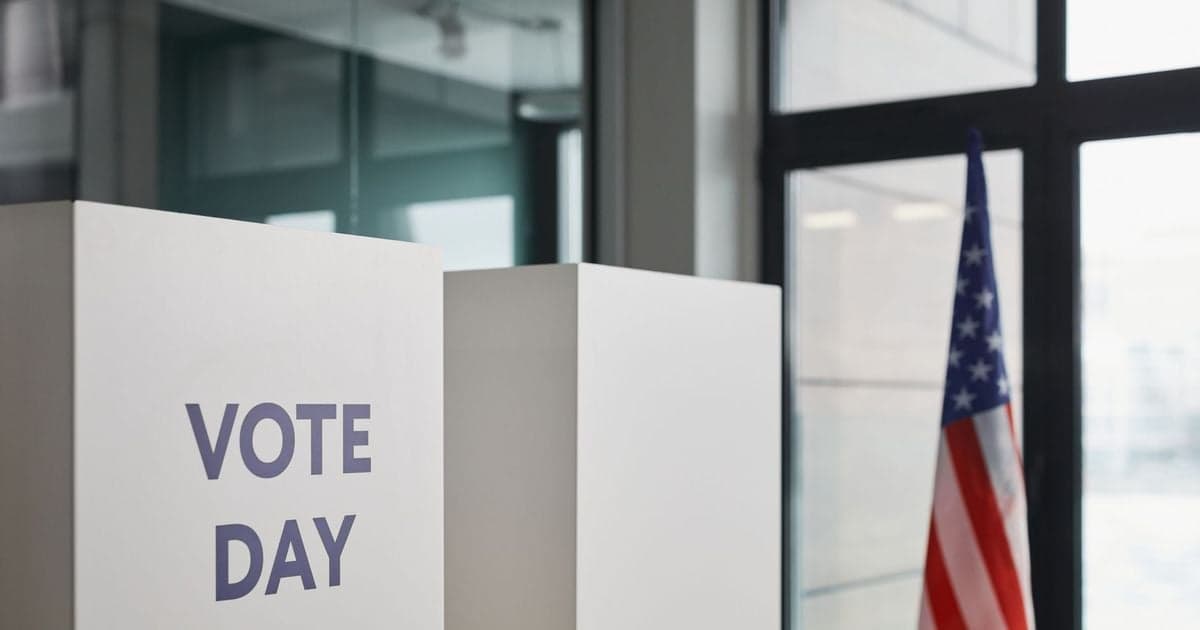
Citizens are casting ballots for the country's tripartite, multiethnic presidency, national lawmakers, and the leadership of its two semi-autonomous entities: the Federation of Bosnia and Herzegovina and Republika Srpska. According to Deutsche Welle and Al Jazeera, this election is being held as the nation faces an economic slowdown and a stalled bid for European Union membership. To combat historical issues with vote tampering, authorities introduced electronic voter identification and ballot scanning technology for the first time, though Euronews reported that some polling stations experienced delays due to problems with these new digital tools.
The campaign has been marked by familiar ethnonationalist rhetoric. In Republika Srpska, former president Milorad Dodik remains a central figure despite being barred from office for defying international peace envoys. Euronews and Al Jazeera noted that Dodik, who recently met with Vladimir Putin in Moscow, described Bosnia as an "impossible country" during a final rally attended by Russia's ambassador. Meanwhile, Bosniak parties such as the SDA have campaigned on maintaining national unity against separatist threats, while Croat nationalist groups are pushing for electoral reforms to increase their influence in the presidency.
Voter sentiment appears divided between ethnic loyalty and frustration over stagnant living standards. Al Jazeera cited activists who argue that the limited choice of parties—many of which have been in power for 30 years—continues to focus on war-era tensions rather than contemporary problems. While preliminary results are expected late Sunday, the election pits established ethnic parties like the SNSD and HDZ BiH against multi-ethnic opposition coalitions led by the Social Democratic Party.
Background
The country’s intricate governing structure was established by the 1995 U.S.-brokered Dayton Peace Accords to end the 1992-95 Bosnian war. This framework divides power among Muslim Bosniaks, Orthodox Serbs, and Catholic Croats, who respectively make up around half, 31%, and 15% of the population according to Deutsche Welle.
How outlets covered it
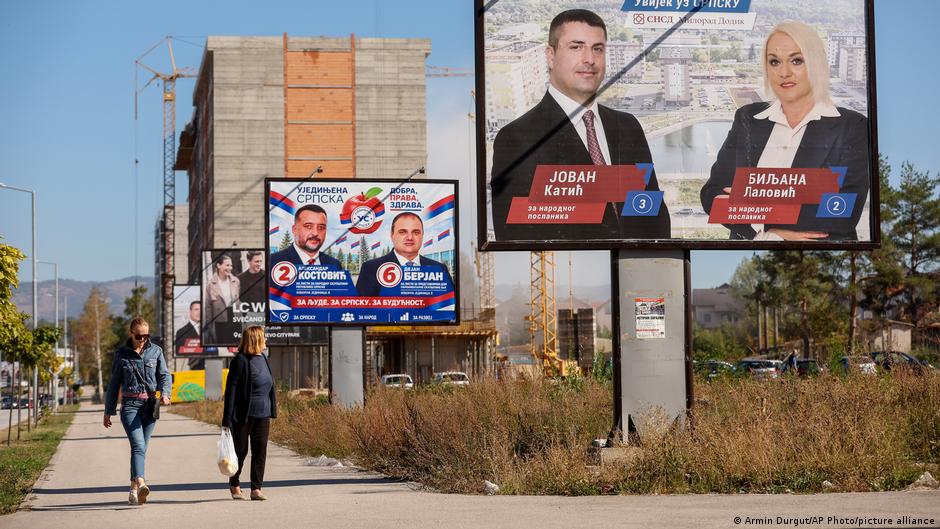 Image: Deutsche Welle
Deutsche WelleBosnia-Herzegovina votes amid divisive campaigns, EU bid
 Image: Al Jazeera
Al JazeeraBosnia votes in one of world’s most complicated general elections
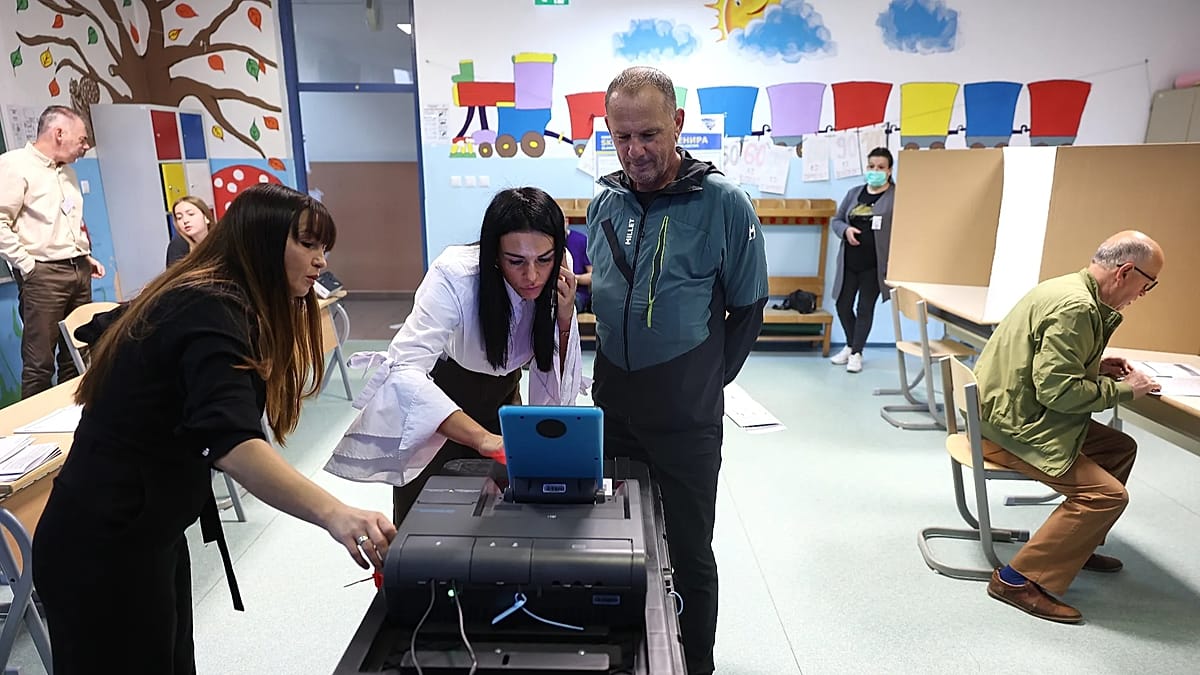 Image: Euronews RSS
Euronews RSSBosnia votes as pro-Russian politician looms large over race and stalled EU bid dominate election
 Image: France 24 - International breaking
France 24 - International breakingBosnia votes in general election with wartime divisions still dominating
Get our daily briefing first.
We're starting a short daily email with the stories most outlets are covering. Join the list to get the first one.
Free. No spam.
Discussion
No comments yet. Be the first to start the conversation!