
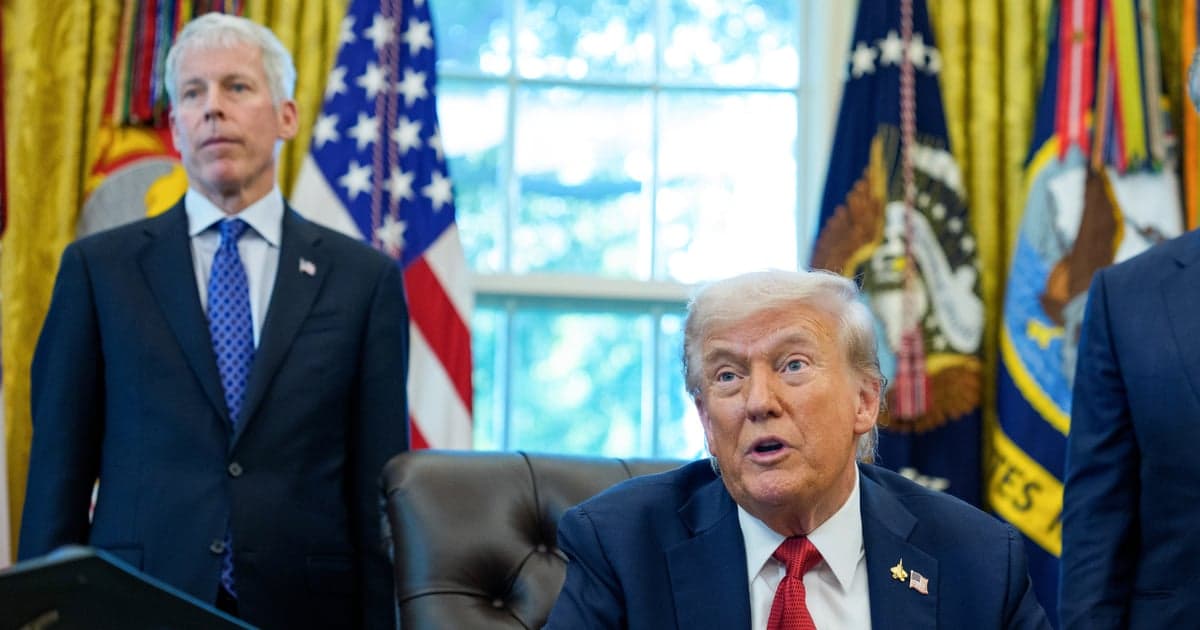
Energy Secretary says Trump weighed fuel price risks before launching war in Iran
AI Summary
Energy Secretary Chris Wright defends the administration's military strategy, stating President Trump accepted high energy prices to prevent Iran from becoming a nuclear power.
U.S. Energy Secretary Chris Wright stated that President Trump was aware of risks to energy flows before the war in Iran began, but prioritized preventing the nation from obtaining nuclear weapons.
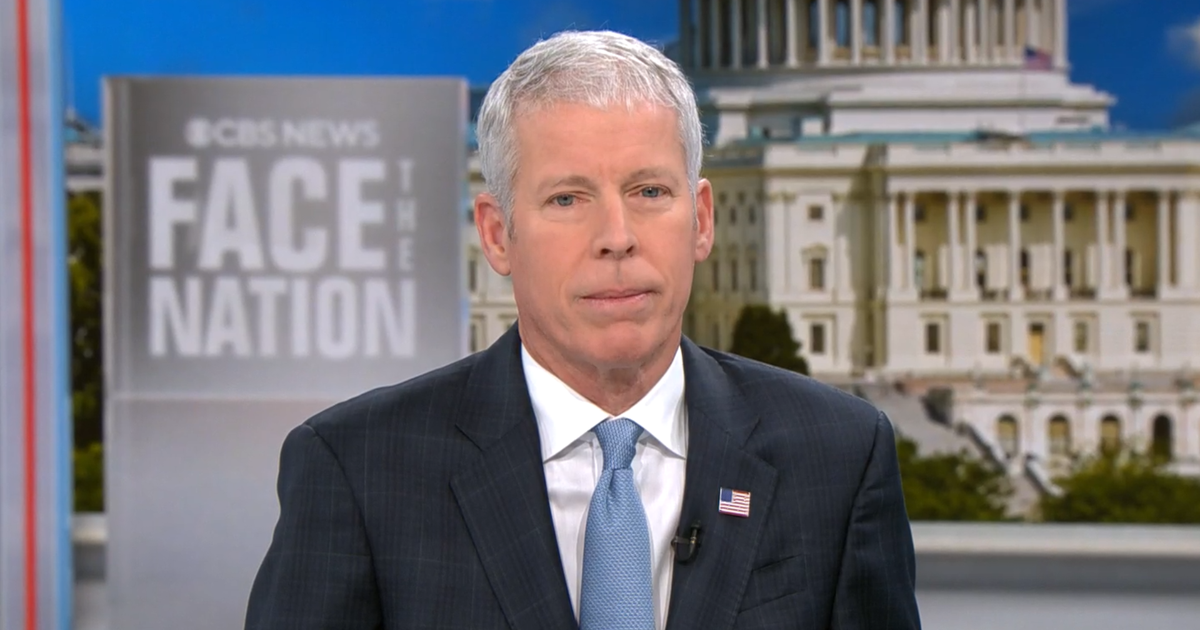
Speaking on CBS News' "Face the Nation," Energy Secretary Chris Wright said President Trump understood that military action would elevate energy prices in the short term. Wright argued that the administration viewed the move as necessary because the world cannot sustain a nuclear-armed Iran, which he described as the world's greatest terrorist regime.
The conflict has led to soaring financial pressure on Americans, with diesel prices recently rising above $6.50 a gallon. Wright expressed confidence that gasoline and diesel costs would continue to fall, citing factors such as increased supplies from the Strait of Hormuz and the end of the summer driving season. He predicted diesel prices could drop below $6 soon.
While Wright declined to comment on potential military escalations following the upcoming midterm elections, he noted that both diplomatic and military tracks remain open. According to CBS News, the Secretary emphasized that the administration is working to reverse previous policies in order to grow the production and refining of hydrocarbons.
However, former diplomats interviewed by Al Jazeera suggest a peace deal or permanent stalemate is unlikely in the near future. Former Iranian diplomat Hossein Mousavian told the outlet that Iran’s leaders do not believe U.S. claims that the war is about nuclear weapons rather than oil. Former U.S. diplomat Alan Eyre added that the Trump administration prefers quick wins over traditional diplomacy.
Background
The war in Iran began earlier this year, leading to recent months of high gas and diesel prices that have impacted various sectors including farming, construction, and food banks.
How outlets covered it

Get our daily briefing first.
We're starting a short daily email with the stories most outlets are covering. Join the list to get the first one.
Free. No spam.
Discussion
No comments yet. Be the first to start the conversation!