
Exit polls show ruling United List ahead in Latvian parliamentary election
AI Summary
Latvian Prime Minister Andris Kulbergs' United List party holds a projected 35.6% lead in the national election, though populist gains may weaken his coalition.
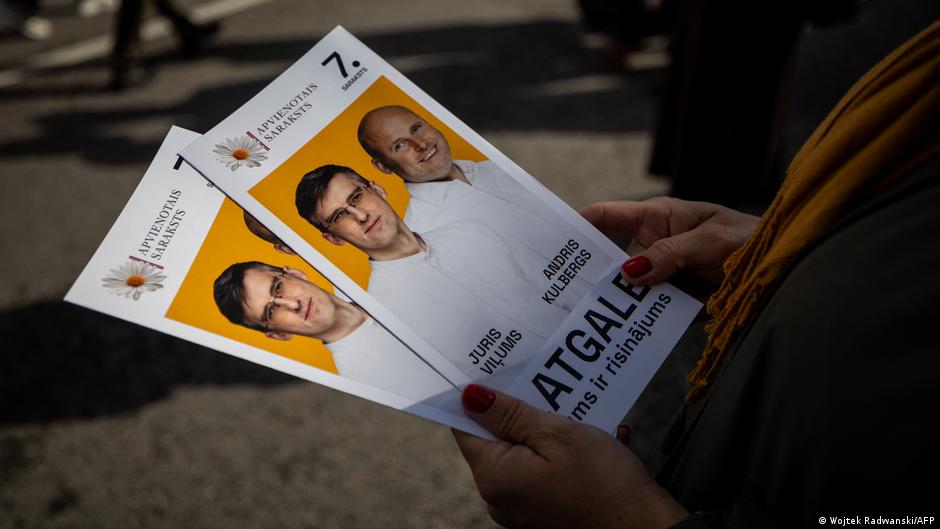
Prime Minister Andris Kulbergs' United List party holds a comfortable lead in Latvia's national election, according to exit polls released Saturday.
Exit polls conducted by public broadcaster LSM and reported by Deutsche Welle show the centrist, pro-Ukraine United List party projected to win 35.6% of the vote. Prime Minister Andris Kulbergs expressed surprise at the result during a gathering at party headquarters in Riga, stating the figures were remarkably good and exceeded his expectations.
The populist Latvia First party followed in second place with 11.3% of the projected vote, nearly doubling its performance from the 2022 election. Following the release of the poll data, Kulbergs stated he would not cooperate with any pro-Russian parties and explicitly ruled out a coalition with Latvia First, according to Deutsche Welle.
The election saw 14 parties compete for 100 seats in the Saeima under a proportional system. Voters focused heavily on national security and the rising cost of living, with the Baltic nation committed by law to spending at least 5% of its GDP on defense. Reuters also confirmed the exit poll results showing the United List in the lead.
Approximately 1.5 million people were eligible to vote in what is the country's 11th parliamentary election since gaining independence from the Soviet Union. While United List maintained its lead, Deutsche Welle noted that Kulbergs' coalition is expected to emerge weakened as populist parties gain ground amid a sluggish economy and high prices.
Background
Prime Minister Andris Kulbergs took office in May after the previous government collapsed following a dispute over Ukrainian drones. The election took place amid heightened security concerns due to Latvia's proximity to Russia and Belarus, and its status as a member of both the European Union and NATO.
How outlets covered it

Get our daily briefing first.
We're starting a short daily email with the stories most outlets are covering. Join the list to get the first one.
Free. No spam.
Discussion
No comments yet. Be the first to start the conversation!