
Business & Finance● Trending
Fed Chair Warsh declines to signal rate path while citing AI economic shift
2 min readCovered by 3 outlets
AI Summary
In Bangkok, Fed Chair Kevin Warsh described AI as a massive economic shift but refused to offer markets a steer on the central bank's upcoming interest rate decision.
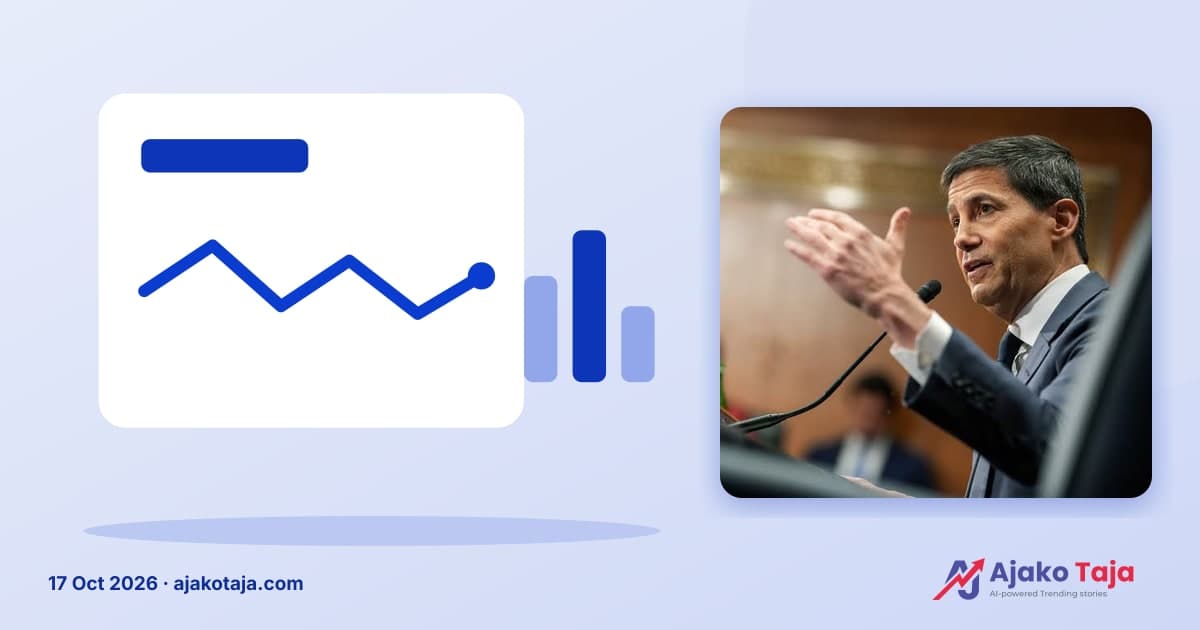
Federal Reserve Chairman Kevin Warsh provided no clues regarding the central bank's October 28 interest rate decision during an IMF meeting in Bangkok on Friday.
Speaking in a fireside chat with IMF chief Kristalina Georgieva, Warsh refused to prejudge the upcoming policy meeting, stating that the Fed is no longer in the business of providing forward guidance to markets. Despite his silence on the immediate policy path, International reported that Goldman Sachs economists interpret the remarks as a signal that the Fed will pause its hiking cycle in October before a final increase in December.
Warsh identified artificial intelligence as the most consequential change of his lifetime, noting it is currently driving up demand and prices. According to Euronews, the chairman acknowledged that while AI-driven productivity may eventually curb inflation, the present investment frenzy in data centers is inflating the costs of chips and electrical components. He warned that the transition to an AI-boosted economy would likely be very bumpy.
The global economy has shown more resilience than expected five months ago, Warsh observed, specifically noting a broadening investment surge in the U.S. that goes beyond the tech sector. He also addressed a synchronous tightening of monetary policy worldwide, as central banks struggle against inflation fueled by both the AI boom and high energy costs resulting from the war between Israel and Iran.
The Fed chairman emphasized his commitment to price stability following the bank's quarter-point rate hike in September. International reported that stock futures in the U.S. edged higher following his comments, while Treasury yields and Asian market indexes remained largely stable as the chairman avoided committing to a specific policy direction.
Background
The Federal Reserve increased interest rates to 3.75-4% in September, its first hike since mid-2023, as inflation has remained above the 2% target for five years. Global energy prices have been under pressure since the war between Israel and Iran began in late February.
How outlets covered it
The original reporting this article is drawn from. Each link opens the outlet's own article.
Get our daily briefing first.
We're starting a short daily email with the stories most outlets are covering. Join the list to get the first one.
Free. No spam.
Discussion
No comments yet. Be the first to start the conversation!