

Tropical Depression Nine could become first Atlantic hurricane of 2026
AI Summary
Tropical Depression Nine is expected to become the first hurricane of the Atlantic season, potentially marking the latest first hurricane to develop in over a century.
Forecasters are tracking Tropical Depression Nine in the Gulf of Mexico, which is predicted to strengthen into the first hurricane of the 2026 Atlantic season by Thursday.
The system was located approximately 630 miles southwest of the mouth of the Mississippi River on Tuesday afternoon, carrying maximum sustained winds of 35 mph. According to the National Hurricane Center, the depression is expected to reach tropical storm strength by Wednesday and could become a hurricane on Thursday as it traverses the Gulf. Ars Technica reported that the storm would be named Isaias if it develops as projected.
A 700-mile stretch of the Gulf Coast, spanning from Louisiana to the Florida Panhandle, is currently under a tropical storm threat. AccuWeather experts indicate the storm may turn northeast with a possible U.S. landfall early Saturday. While the storm could weaken as it approaches the coast due to wind shear, it will first travel over central Gulf waters that are between 28° and 30° C, which are temperatures well above normal.
The National Hurricane Center expects the system to bring 3 to 6 inches of rain across parts of the central U.S. starting Friday, with localized totals potentially reaching 10 inches. The Guardian reported that this rainfall may trigger flash and urban flooding. Additionally, AccuWeather warned that if the system reaches hurricane strength, it could produce wind gusts of 60 to 80 mph near its center.
The 2026 season has been exceptionally quiet, and the development of a first hurricane this late in the year is rare. The Associated Press, cited by The Guardian, noted that a first hurricane has not formed this late since October 8, 1905. Ars Technica added that in the era of modern records including satellite coverage, no Atlantic season has ever gone this long without a hurricane forming.
Background
The lack of activity this season is largely attributed to a strong El Niño pattern. This climate phenomenon increases wind shear over the Atlantic, which typically disrupts the organization of tropical systems and prevents them from growing into hurricanes.
How outlets covered it
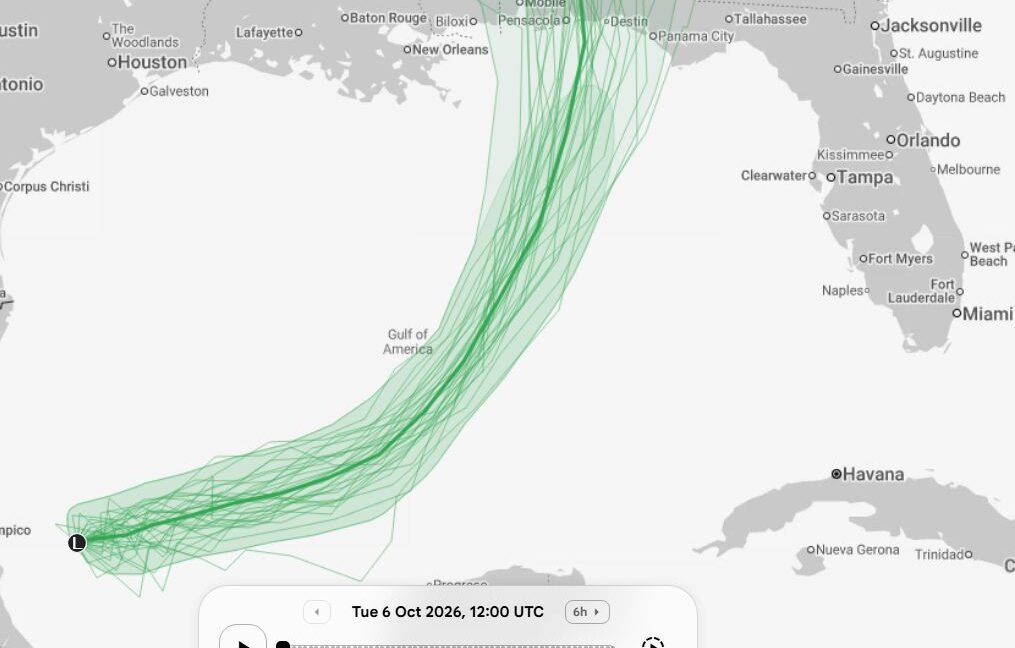 Image: Ars Technica - All content
Ars Technica - All contentIt looks like the Atlantic storm season may finally produce a hurricane
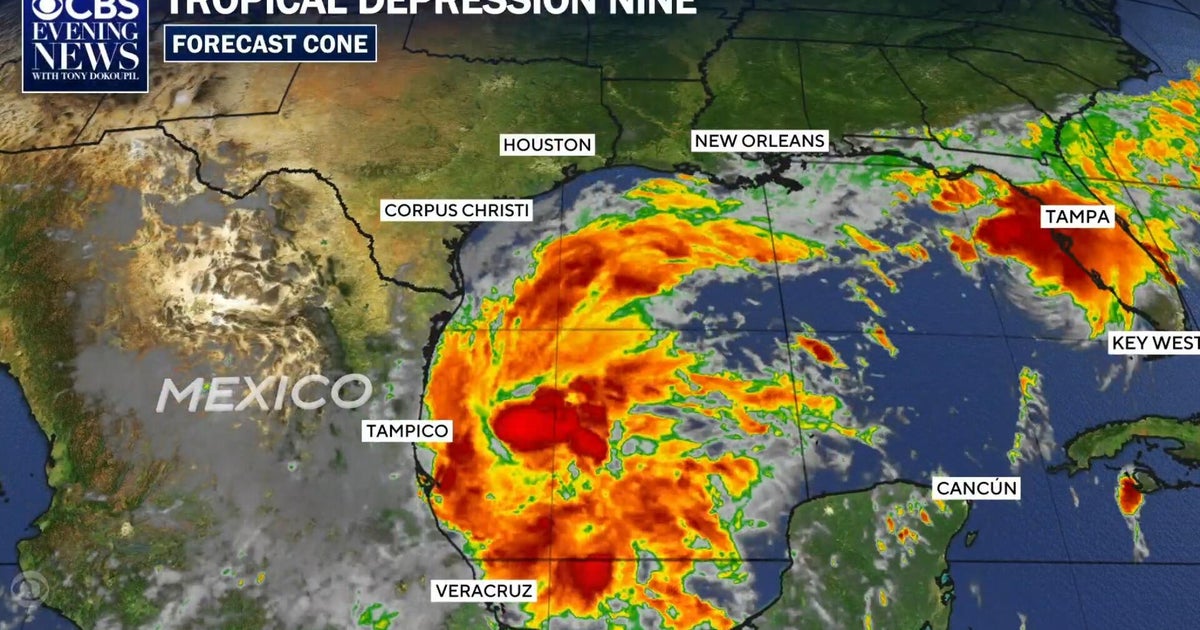 Image: Home - CBSNews.com
Home - CBSNews.comGulf Coast under tropical storm threat
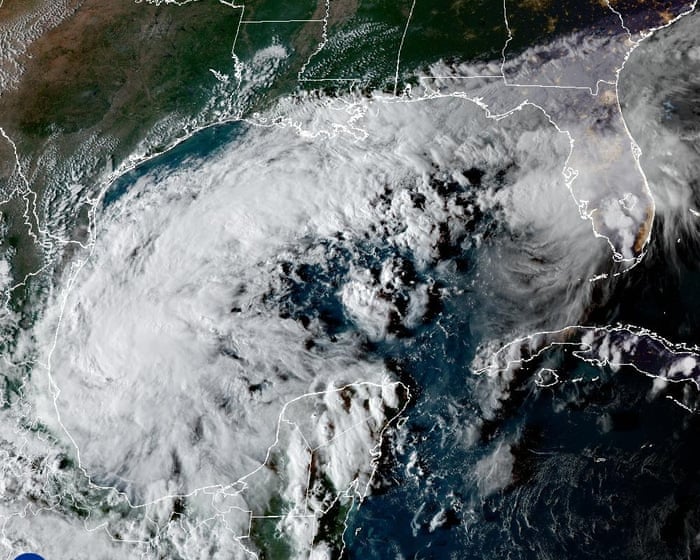 Image: The Guardian
The GuardianTropical depression in Gulf predicted to be Atlantic season’s first hurricane
Get our daily briefing first.
We're starting a short daily email with the stories most outlets are covering. Join the list to get the first one.
Free. No spam.
Discussion
No comments yet. Be the first to start the conversation!