
UCLA study links gut bacteria and chemical compounds to brain aging pace
AI Summary
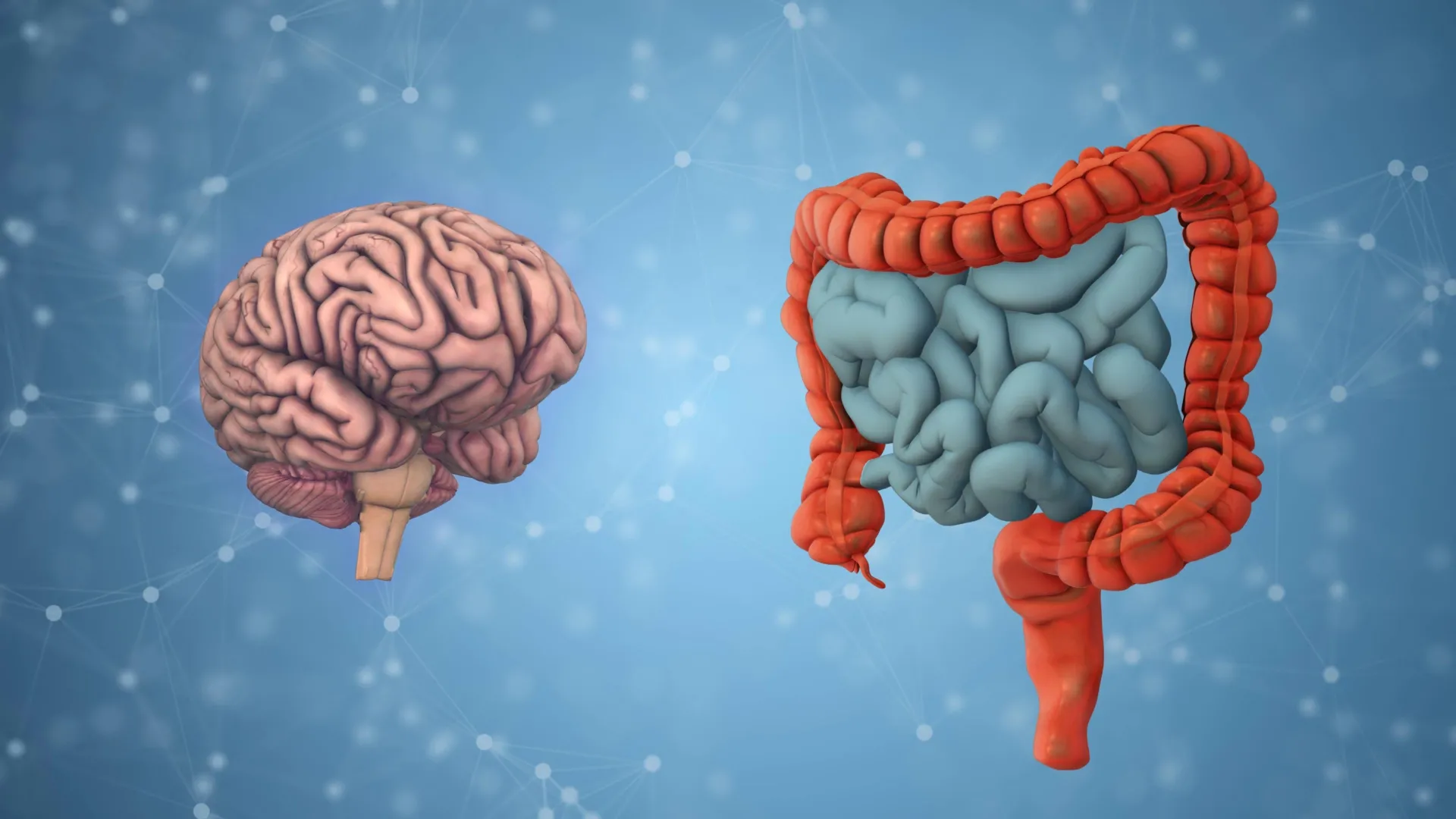
New UCLA research reveals that specific gut bacteria and chemical compounds may be linked to how quickly a person's brain ages, even in healthy adults.
UCLA Health researchers have identified a connection between specific gut bacteria, metabolic byproducts, and the rate at which the brain ages in healthy adults.
According to reports from ScienceDaily and ScienceDa, a study published in the journal eBioMedicine examined brain scans from nearly 1,500 adults to track biological changes that occur before memory or thinking problems appear. Researchers used a scanning approach to measure communication between brain regions while participants were at rest, then used a computer model to estimate each person's "brain age."
The team established a Brain Aging Index (BAI) by comparing these estimates to the participants' actual chronological ages. The study found that individuals with a higher BAI—indicating a brain that appears older than their actual age—tended to perform worse on tests of working memory and executive function. These individuals also reported more symptoms of depression.
The research further explored biological links by examining stool samples from one of the study groups. The findings showed that a higher BAI was associated with specific gut bacteria and metabolic byproducts, including certain fat molecules, a cholesterol-related compound, and lower levels of the hormone estetrol. The study identified that these signals are connected to pathways involving the immune system, blood vessel function, and cellular energy production.
Background
While scientists have long used brain scans to estimate biological brain age, most previous research focused on older adults or those with neurological conditions. This new study sought to determine if an older-looking brain affects the cognitive performance and mood of younger, generally healthy adults.
How outlets covered it
Get our daily briefing first.
We're starting a short daily email with the stories most outlets are covering. Join the list to get the first one.
Free. No spam.
Discussion
No comments yet. Be the first to start the conversation!