

WWF report reveals 73% wildlife decline but highlights species recovery successes
AI Summary
New WWF research shows monitored wildlife populations have plunged 73% since 1970, though major recoveries for tigers and tuna prove conservation efforts can work.
The WWF’s Living Planet Report 2026 reveals a 73% average decline in monitored wildlife populations over 52 years, while highlighting successful recoveries of tigers, bluefin tuna, and sea turtles.
The 2026 Living Planet Report, produced by the WWF and the Zoological Society of London (ZSL), analyzed nearly 36,000 animal populations across 5,790 vertebrate species. The findings show an average 73% drop in the size of these monitored populations between 1970 and 2022. According to The Japan Times, this represents an average decline of roughly 2.5% per year over the period. The Guardian noted that freshwater species suffered the most severe losses, with monitored populations in lakes and rivers falling by an average of 85%.
Despite the overall decline, the report identifies what it calls the "science of hope" through specific conservation successes. The global wild tiger population grew from approximately 3,200 in 2010 to roughly 5,700 by 2025, a 70% increase. Additionally, the green sea turtle was downlisted from endangered status last year, and Atlantic bluefin tuna have returned in large numbers off the British coast. BBC News reported that the tuna recovery followed international efforts to reduce catch quotas and protect spawning grounds.
Geographic data shows the steepest declines in tropical regions. Latin America and the Caribbean saw a 95% average drop in land and freshwater wildlife populations, while Africa recorded an 80% decline. Euronews noted that Europe and North America showed less dramatic negative trends because large-scale impacts on nature in those regions had already occurred prior to the 1970 baseline year.
The WWF warns that biodiversity loss now poses an existential threat to economic stability and food security. The Guardian reported that approximately $58 trillion of global GDP depends on nature. To prevent further collapse, the report emphasizes the urgent need for systemic reform in how the world produces food and manages energy and finance systems. Tanya Steele, chief executive of WWF-UK, told The Guardian that the world stands at a "fork in the road" between continuing nature loss or investing in recovery.
Background
The Living Planet Index (LPI) tracks the relative abundance of monitored vertebrate species including mammals, birds, fish, reptiles, and amphibians. Experts clarified to Euronews that the 73% figure refers to the average change in population sizes and does not mean there are 73% fewer total wild animals than in 1970.
How outlets covered it
 Image: BBC News
BBC NewsUK bluefin tuna comeback shows nature can recover, says WWF
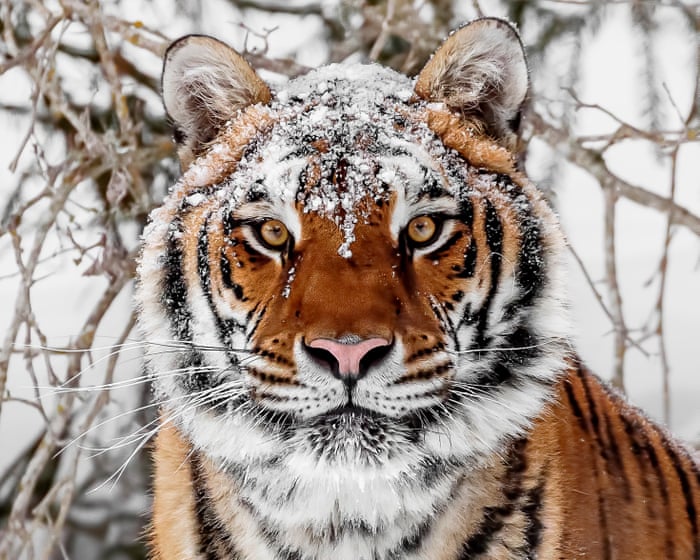 Image: The Guardian
The GuardianWorld must change way it produces food to avoid biodiversity collapse, says WWF
 Image: Latest articles - The Japan Times
Latest articles - The Japan TimesPopulations of wild species fell by an average of 73% from 1970 to 2022, WWF says
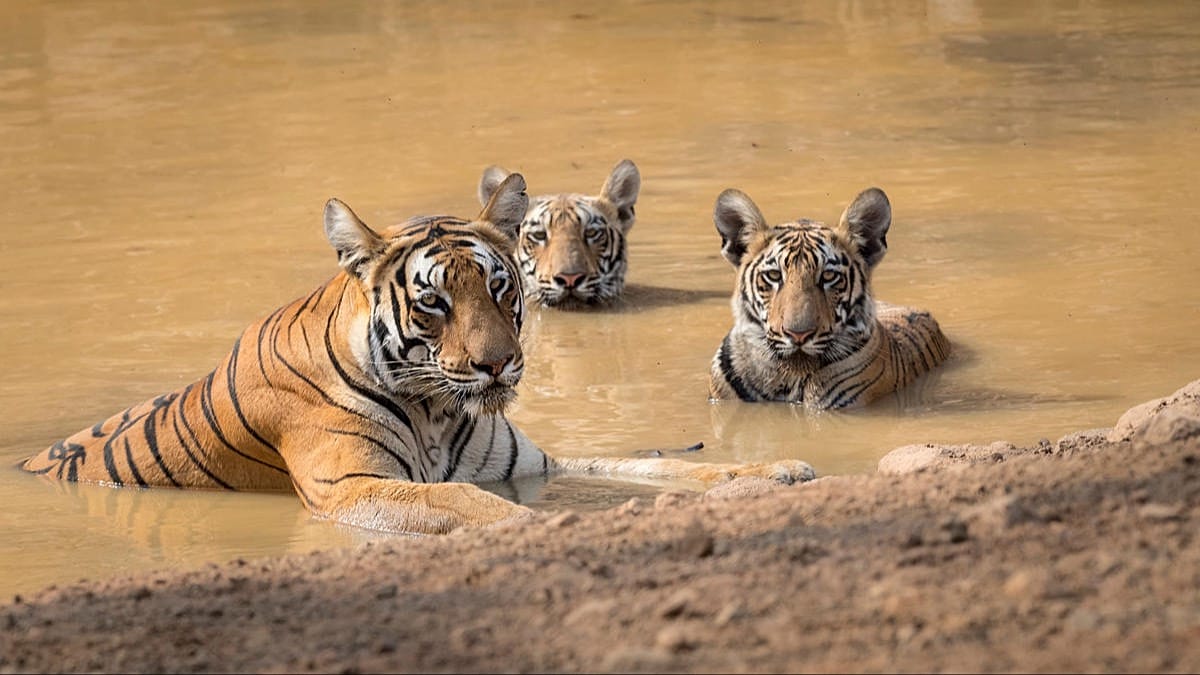 Image: Euronews RSS
Euronews RSSFrom tigers to turtles: The conservation success stories that prove there’s still hope for wildlife
Get our daily briefing first.
We're starting a short daily email with the stories most outlets are covering. Join the list to get the first one.
Free. No spam.
Discussion
No comments yet. Be the first to start the conversation!