
High sugar intake linked to increased gut microbiome damage from antibiotics
AI Summary
A study of over 9,000 meals shows that sugar intake during antibiotic treatment can cause a 21% sharper decline in beneficial gut bacteria diversity.
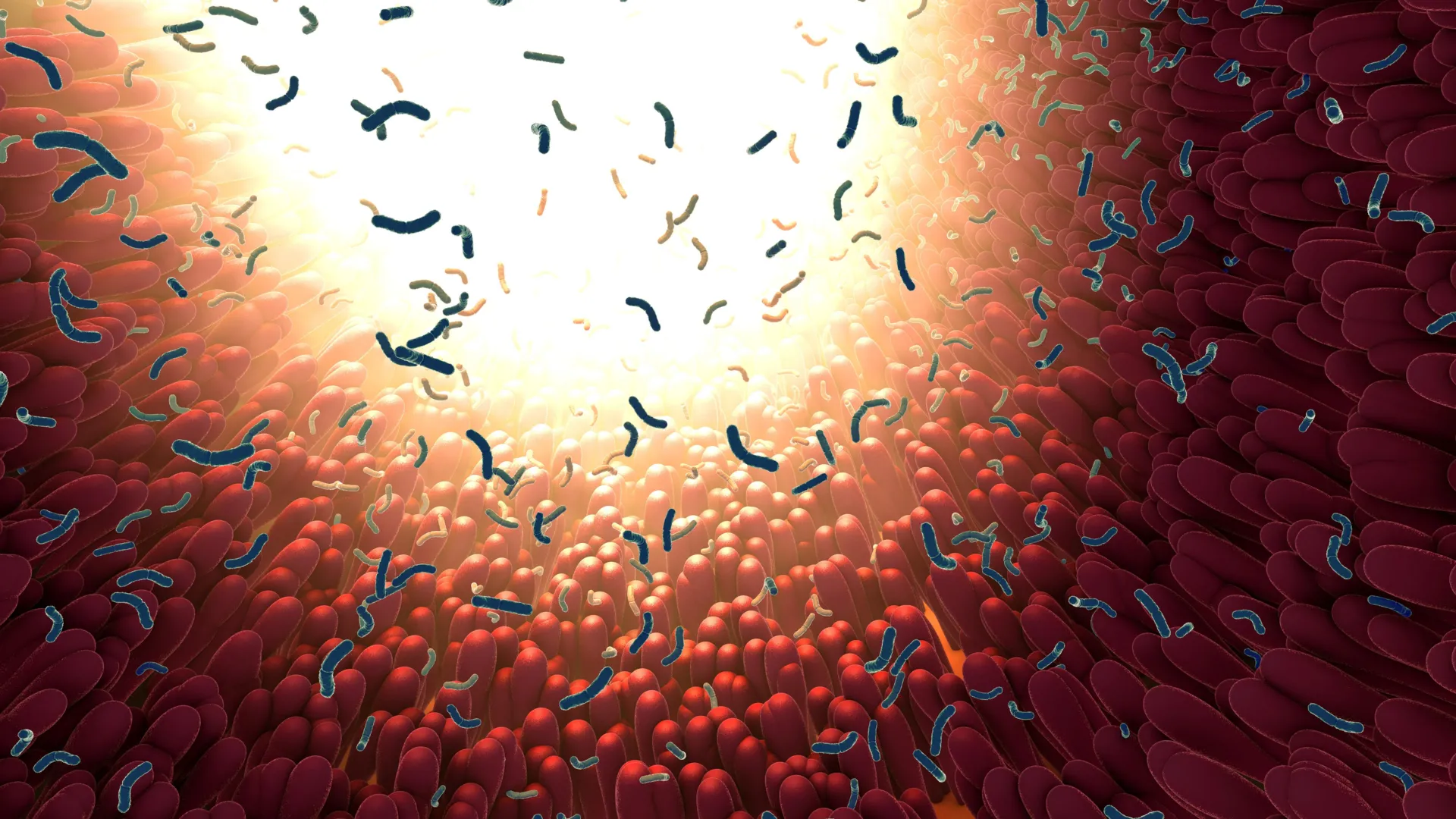
New research suggests that consuming sugar while taking antibiotics can intensify the disruption of beneficial gut bacteria, potentially leaving patients more vulnerable to difficult-to-treat infections.
Researchers from NYU Langone Health, City of Hope, and Memorial Sloan Kettering tracked 173 hospitalized cancer patients to examine how diet affects the gut microbiome during antibiotic treatment. According to ScienceDaily, the study monitored over 9,000 meals and found that for every additional 100 grams of sugar consumed in the 48 hours before treatment, there was an additional 21% decline in alpha diversity, which measures the variety of beneficial bacterial species.
The findings, published in the journal Nature, indicated that combining sugary diets with antibiotics was associated with an increase in Enterococcus faecium. This specific bacterial species is known to cause infections that are often difficult for doctors to treat. Similar results were observed in mouse experiments, where animals given the antibiotic biapenem alongside sucrose saw a 33.4-fold increase in gut Enterococcus populations by the sixth day.
Jonas Schluter, PhD, an assistant professor at NYU Langone and co-senior author of the study, stated that identifying factors to limit the unintended risks of antibiotics is important for long-term health. He suggested that reducing sweets during and after antibiotic use could help mitigate collateral damage to the microbiome. The study focused on blood cancer patients specifically because their frequent antibiotic use and hospital-monitored meals provided a controlled environment for observation.
Background
Antibiotics are widely prescribed medicines that can kill both harmful and beneficial bacteria. While a diverse microbiome typically helps resist pathogens, antibiotic treatment often reduces this diversity, making the gut ecosystem more susceptible to disease.
How outlets covered it
Get our daily briefing first.
We're starting a short daily email with the stories most outlets are covering. Join the list to get the first one.
Free. No spam.
Discussion
No comments yet. Be the first to start the conversation!